




At a glance: From a species-specific brief to a documented commercial specification: formulation assessment, prototypes, film processing, packaging and batch release coordination.
Formulation starts with the animal and the market
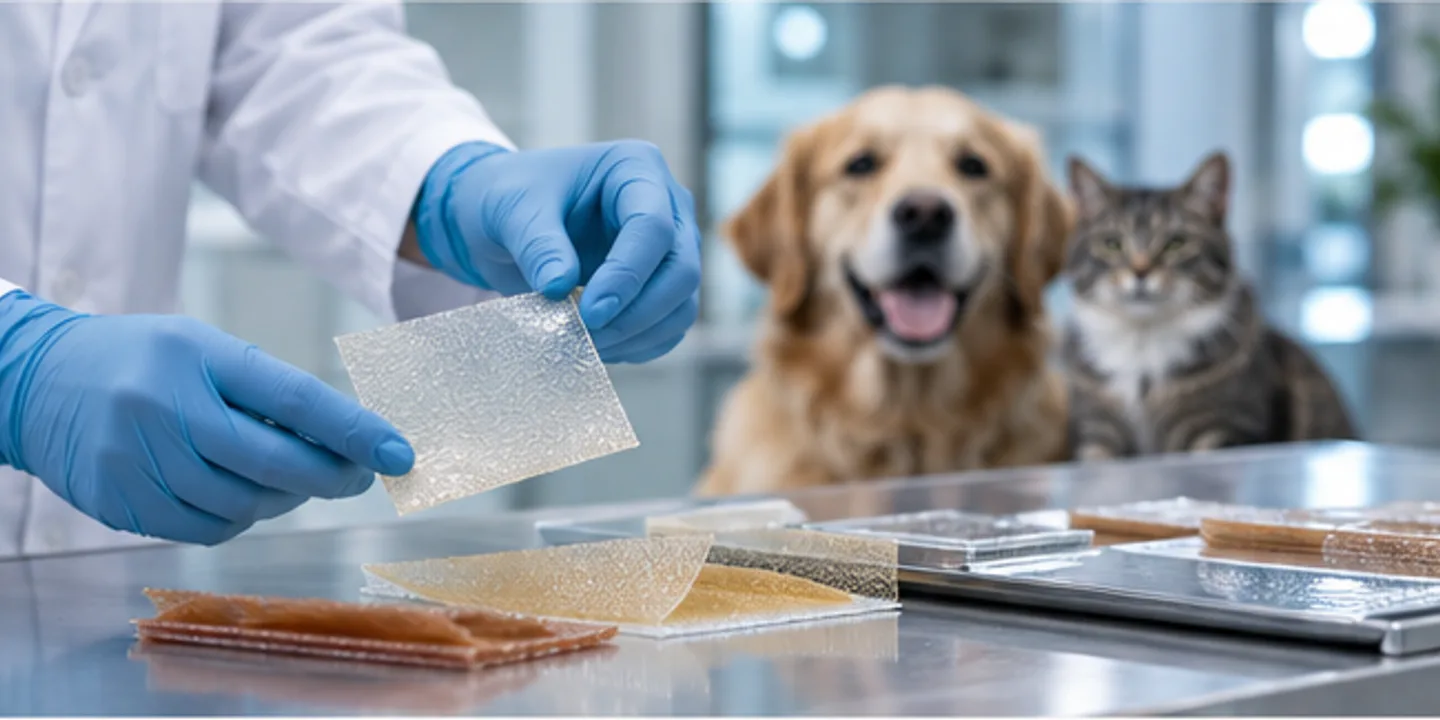
The first technical decision is whether an oral film suits the proposed ingredient amount and intended use. Hytanbio reviews species, life stage, destination market, flavor direction and the complete formula before defining a sample programme. A material that works in a human film or a pet chew may not behave the same way in a small pet film. The team considers dispersion, solubility, taste, color, drying behavior and interactions with the film matrix. Common film dimensions are 2 × 2 cm, with a current maximum of 2 × 3.5 cm subject to feasibility. These are platform dimensions rather than promises about active loading. A written brief records the desired outcome, available evidence, open questions and decisions required before a prototype can be treated as a commercial candidate.
Film processing connects coating to final packaging
A typical oral-film workflow includes material preparation, controlled mixing, coating, drying, cutting, individual sachet sealing and final pack-out. The exact process and controls depend on the formulation and equipment arrangement. Thickness and mass variation, tack, brittleness, appearance and handling can affect whether a prototype is suitable for scale-up. The manufacturing specification should therefore connect operating decisions with measurable acceptance criteria rather than rely on appearance alone. Packaging is reviewed alongside the film because humidity exposure and seal performance can affect the finished unit. AI-generated process images on this site illustrate these stages; they are not photographs of an audited production line. During supplier qualification, buyers can request available site-specific information and clarify which facility, process and quality records apply to their proposed project.
Quality planning defines what a batch must demonstrate
Quality review begins with raw-material identity and specifications, then follows the product through agreed in-process checks and finished-batch release. Test selection depends on the formula, intended claims and risk assessment; not every project needs the same analytical panel. The approved specification should identify relevant methods, acceptance limits, sampling and documentation responsibilities. A batch COA reports results within that scope and should be traceable to the actual product version supplied. Certificates are reviewed separately for entity, manufacturing site, scope and validity. The supplied Guangzhou qualification display is presented with its named entity and must not be assumed to certify the separate Shaoxing base. This distinction helps overseas buyers assemble a credible supplier file without confusing company credentials, product testing and destination-market authorization.
Sampling and capacity are scoped to the actual order
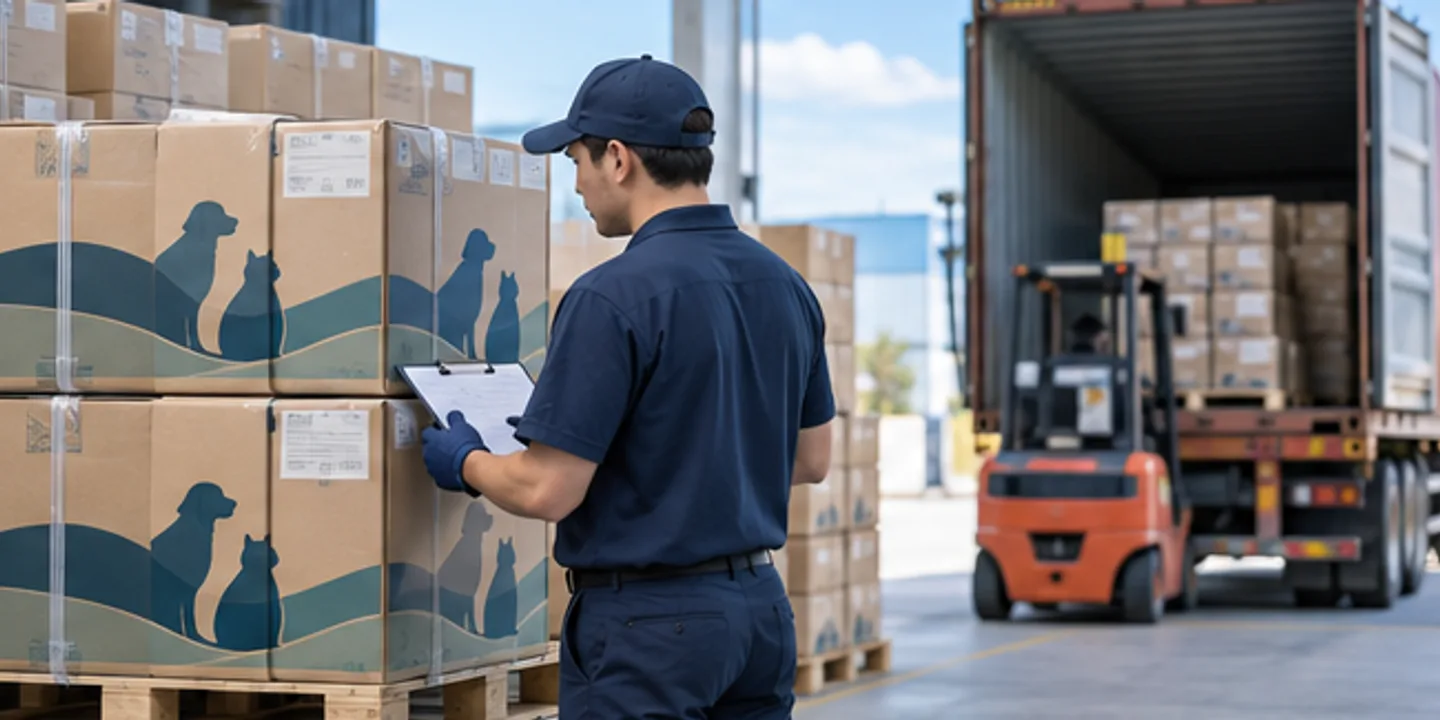
The original corporate brochure describes general manufacturing capacity and indicative delivery capabilities. Those figures are not automatically a reserved capacity or delivery commitment for a new pet film. A project quotation confirms the proposed formula, process route, sample scope, packaging materials, testing and production schedule. Prototype work may require iterations before the specification can be signed. Custom printed sachets and cartons introduce their own purchasing and proofing dependencies. Buyers should state the first-order estimate and anticipated repeat demand so the team can assess the practical manufacturing plan. Standard carton options contain 20 or 30 strips. MOQ, sample fees and lead times are confirmed in writing after the brief is reviewed, with assumptions and approval gates visible to the brand owner before it commits to a launch date.
- Project brief and market review
- Formula feasibility
- Prototype and sensory evaluation
- Specification approval
- Packaging and label proof
- Commercial production and batch release
- Export handover