





What Are Pet Oral Films and How Do They Work?
Pet oral films are thin, formulated sheets designed to disintegrate in the mouth. Dissolving is a physical event; it does not by itself prove faster clinical action or better absorption.
Read article →Practical guidance on pet oral film formulation, packaging, compliance planning and private-label launch decisions.

Pet oral films are thin, formulated sheets designed to disintegrate in the mouth. Dissolving is a physical event; it does not by itself prove faster clinical action or better absorption.
Read article →

Choose the format from the required serving and user experience. Films can offer compact unit packs; larger-dose concepts may fit tablets, chews or liquids better.
Read article →
An oral-film format does not establish safety. Review the complete formula, species, amount, life stage and intended use; never give a pet a human breath strip by analogy.
Read article →
A calming ingredient name is not proof that a finished oral film works. Define the intended statement and request evidence relevant to the species, ingredient amount and finished formulation.
Read article →
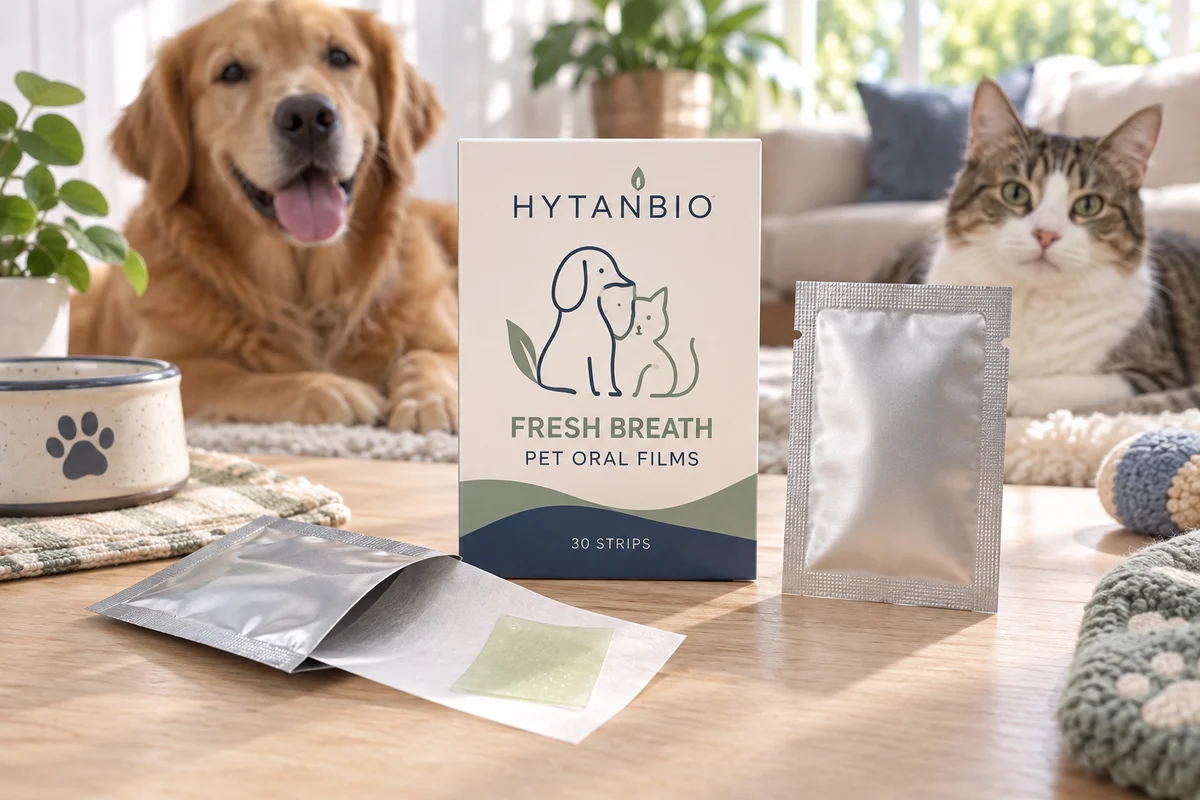
Fresh-breath positioning and plaque or tartar efficacy are different claims. A new film needs evidence for its own intended statement; a dental-looking pack is not certification.
Read article →
Probiotic film feasibility depends on the strain, process and packaging. A raw-material count is not the viable count in the finished strip at the end of shelf life.
Read article →
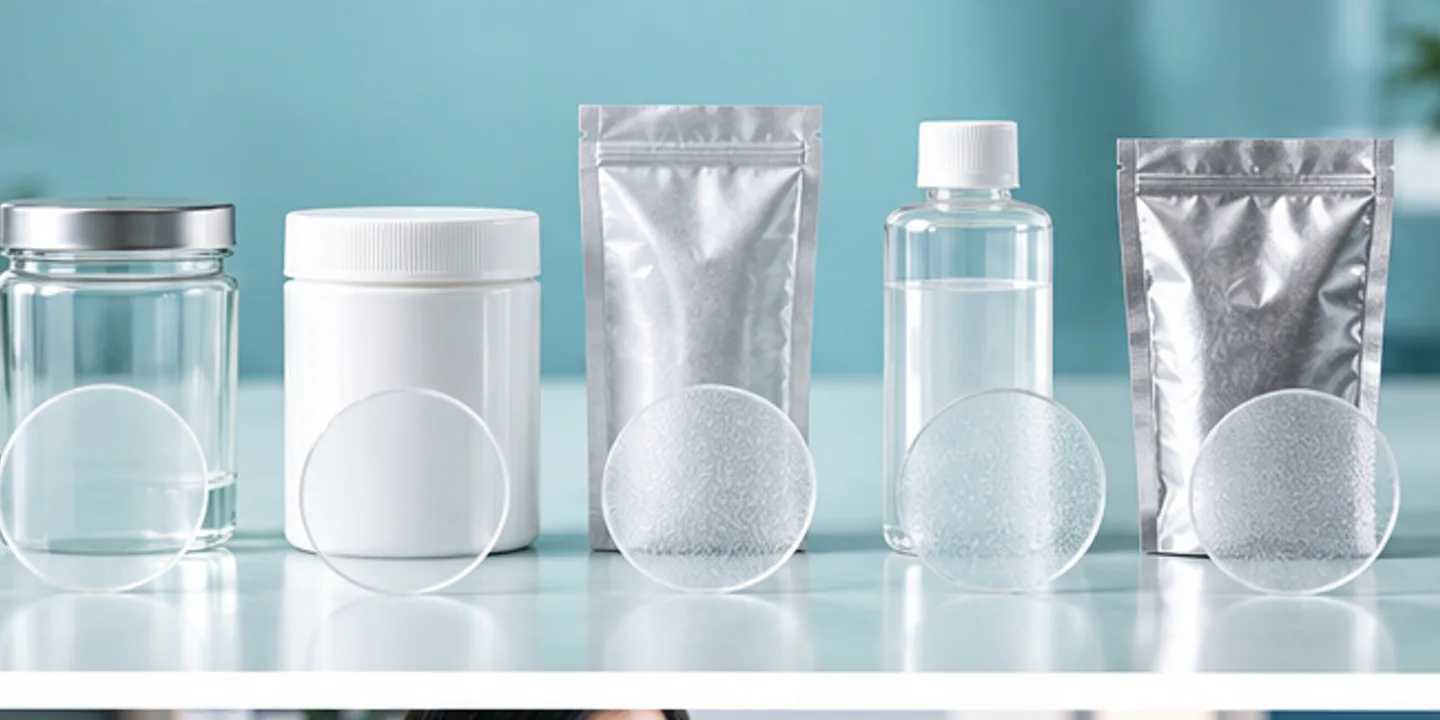
Shelf life applies to a specified formula in a specified package under stated conditions. No universal expiry period or refrigeration rule can be assigned to all pet oral films.
Read article →
Both 20- and 30-strip cartons are available as project configurations. Choose the count with channel economics and approved use directions; confirm barrier performance separately.
Read article →
Private label starts from an available technical platform; custom ODM starts from a differentiated brief. Confirm what is actually established before choosing the faster route.
Read article →
MOQ, cost and lead time depend on the formulation, pack, printing and testing scope. A useful quotation states its assumptions and separates development from repeat manufacture.
Read article →
A useful COA reports batch results against the agreed product specification. Certificate names and factory photographs do not replace batch-level evidence.
Read article →
Review the intended category, ingredients, claims, labeling and responsible operator before an EU launch. An OEM certificate bundle is not blanket EU approval.
Read article →